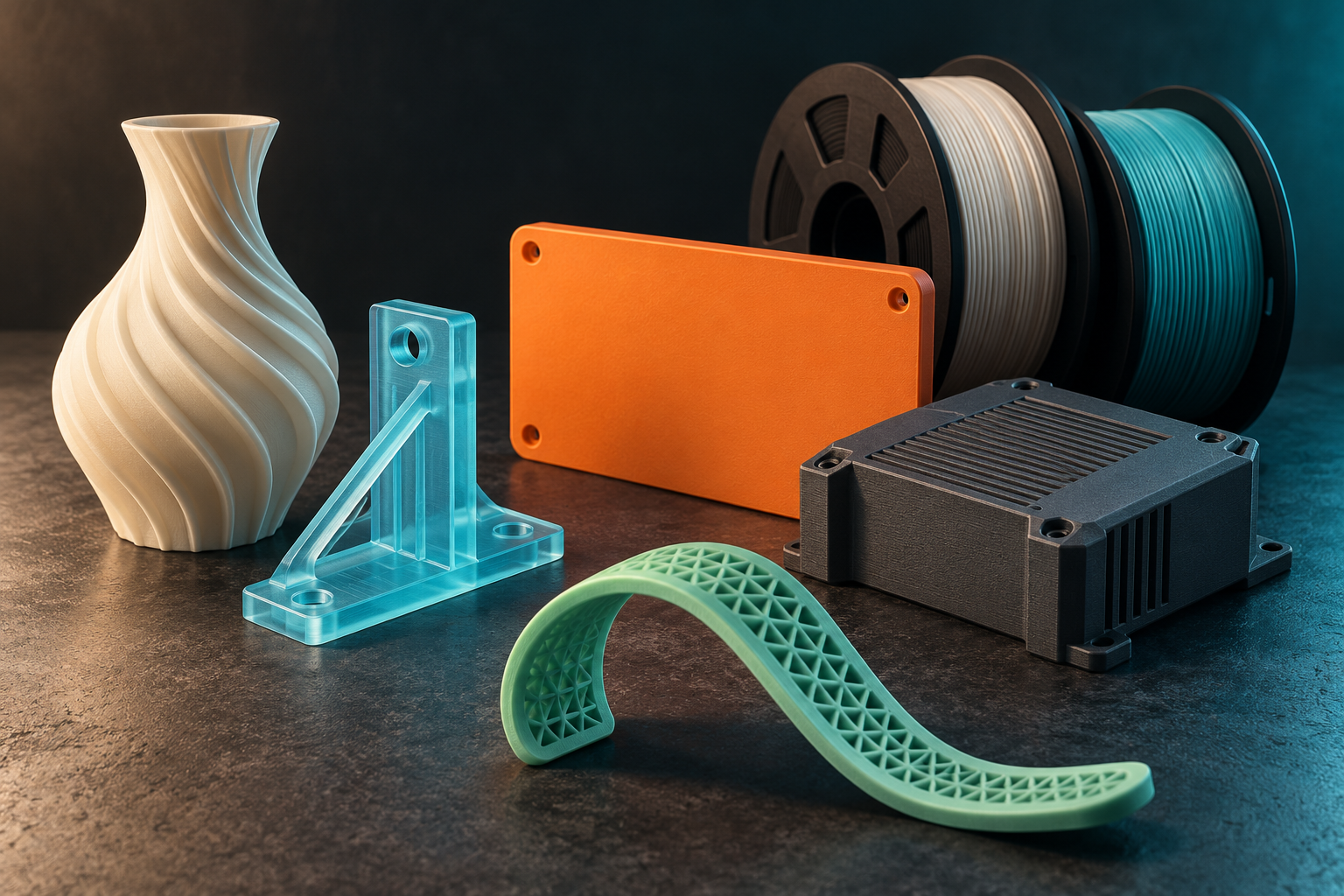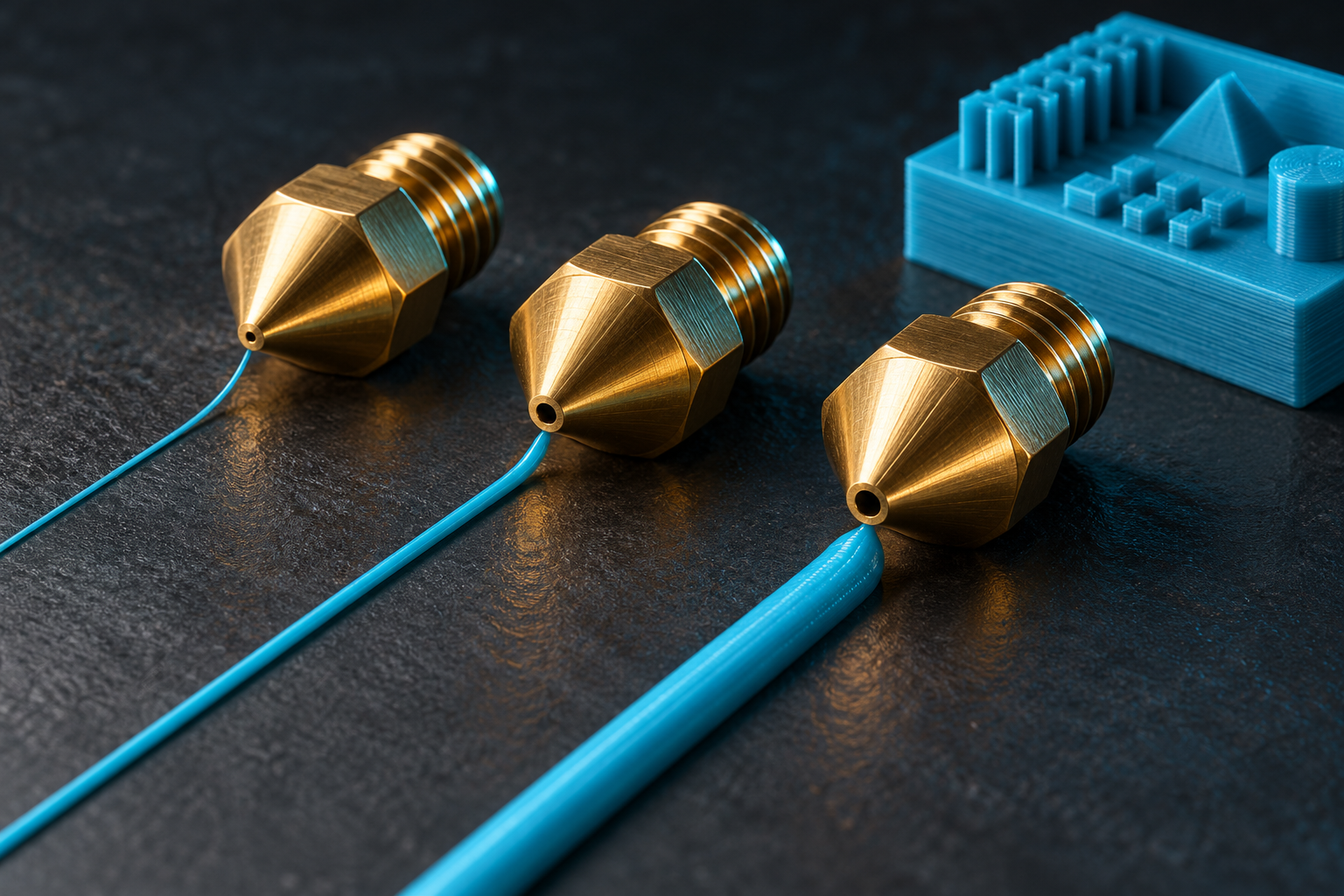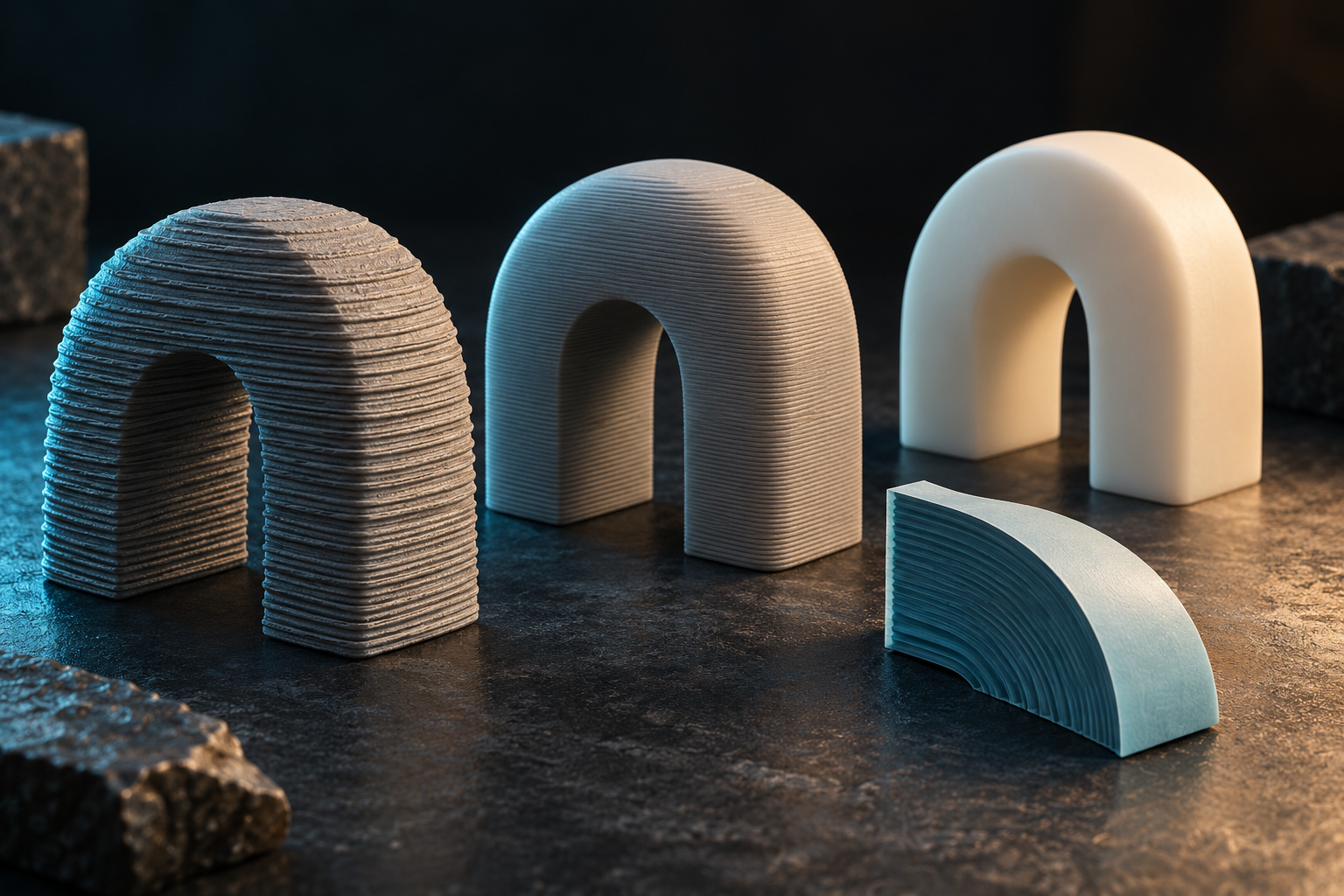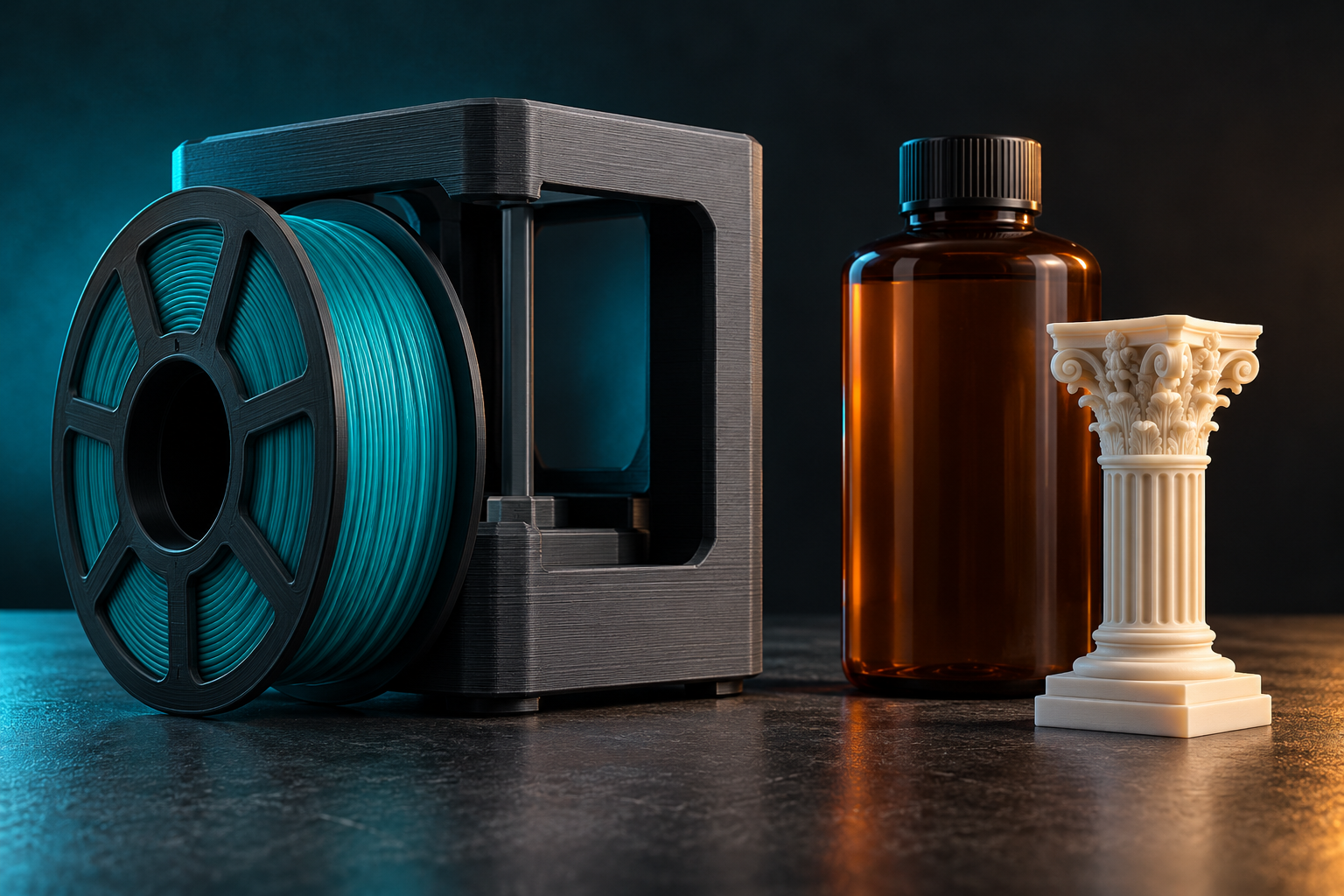
Resin is often worth considering for small, detailed miniatures and display models. Filament printing is a useful starting point for larger practical parts. Choose the exact material and finish around how the part will be used.
What is the difference between resin and filament 3D printing?
Filament printing, often called FDM or FFF, lays down heated thermoplastic through a nozzle. Resin printing uses light to cure a liquid photopolymer in layers. They are complementary ways to make a part, with different material choices and finishing steps.
A small decorative relief and a large everyday enclosure should not automatically use the same process. Look at the features that matter most, the size of the part and what happens to it after printing.
FDM vs resin: compare detail, surface finish and function
Use this comparison to start a brief. The actual design still needs review.
| Priority | Discuss filament when… | Discuss resin when… |
|---|---|---|
| Fine detail | Features are comfortably sized for a nozzle. | Tiny features and small sculpted details matter. |
| Surface | A visible printed texture is acceptable. | A smoother starting surface is important. |
| Function | You need a familiar thermoplastic such as PETG or ASA. | A specific engineering resin matches the requirement. |
| Project size | You are making a larger practical or decorative object. | A smaller, detailed part is the focus. |
Is resin strong enough for functional parts?
General-purpose resins are often chosen for appearance models and detail. Tough or durable formulations target different mechanical behavior; flexible formulations target compliance. A clear resin serves another purpose again. These labels do not guarantee that every brand behaves alike.
Ask for the exact material data and processing requirements when function matters. A resin advertised as “ABS-like” is not literally ABS. Specialized applications require a suitable material and a validated process, rather than a name that sounds promising.
Does resin 3D printing need finishing?
Resin parts need cleaning and the specified curing process. Supports can leave contact marks on either process, so orientation and finishing still matter. A smooth render of a model does not describe exactly how an unfinished printed surface will look.
For a painted display piece, say that paint is the final goal. For a transparent piece, describe whether you need a translucent effect or optical clarity. Those are different briefs, and finishing can change the cost and achievable result.
How do I choose a 3D printing service for my project?
Try: “This is a small display model. The face details matter more than impact resistance, and I plan to paint it.” Or: “This is a housing that will be handled daily. It needs a reliable fit and a practical surface.”
Send the model with a photo or sketch showing scale. We can then discuss the process, material and finishing together instead of choosing from a photograph alone.
Questions before you order
Is resin or filament better for miniatures?
Resin often suits miniatures with small faces, textures or sculpted details. Filament can suit larger, simpler figures. Share the model’s final size and the details you want to preserve; the same model may need a different process when scaled down.
Are resin prints stronger than PLA prints?
There is no single answer for every resin and every PLA. General-purpose, tough and flexible resins behave differently, and curing matters. For a functional part, compare the specific materials and load conditions instead of choosing only by the process name.
Is resin 3D printing more expensive than filament?
The finished part’s price depends on size, quantity, material, supports and finishing. Resin also needs washing and the specified curing process. A filament spool price and a resin bottle price cannot tell you the final quote. Send the same model and finish requirements for a meaningful comparison.
Can I order a 3D print without owning a printer?
Yes. Upload your model to request a custom print, or send photos and a sketch if you need design help first. Include size, quantity and intended use. Akidos Studio reviews the process and material with your project requirements.
Plan your project
Custom FDM and resin 3D printing in Sacramento →How much does custom 3D printing cost? →Further reading
Manufacturer references behind this guide. Material availability and the right setup are confirmed for each project.
UltiMaker: resin vs FDM printing ↗Formlabs: FDM, SLA and SLS comparison ↗Formlabs: resin material properties and compatibility ↗Formlabs: SLA, DLP, MSLA and LCD resin printing ↗